Key Takeaways
- Getting your Airbnb right from day one means covering legals, furnishing, essentials and guest experience before your first booking goes live.
- Furniture and styling do the heavy lifting when it comes to first impressions, five-star reviews and repeat bookings.
- You don’t need to figure it all out alone. A done-for-you approach to furnishing can save you weeks of stress and thousands in trial-and-error purchases.
- The difference between a good listing and a great one often comes down to the details guests notice in the first 60 seconds.
So you’ve decided to list your property on Airbnb. Maybe it’s an investment property sitting empty. Maybe you’ve just settled on a new build. Either way, the idea of earning short-term rental income is exciting, but where do you actually start?
Setting up an Airbnb in Australia involves more than throwing a bed in a room and uploading a few photos. From local regulations to the right furniture, there’s a proper checklist to work through if you want to get bookings (and great reviews) from the very beginning.
Here’s your complete Airbnb host checklist, broken down step by step.
1. Sort Out the Legal and Regulatory Basics
Before you buy a single cushion, make sure your property is actually allowed to operate as a short-term rental.
Check your local council rules. Short-term rental regulations vary across Australian states and territories. In NSW, for example, properties in Greater Sydney can be rented for up to 180 days per year without the owner present. Queensland and Victoria have their own rules, too. Your local council website is the best starting point.
Review your strata by-laws. If your property is in a strata complex, there may be restrictions or outright bans on short-term letting. Get this sorted early to avoid fines or disputes down the track.
Set up the right insurance. Standard landlord insurance typically won’t cover short-term rental activity. You’ll need a policy designed for Airbnb hosting, or at the very least, confirm your existing cover extends to short-stay guests.
Register for tax. Airbnb income is taxable in Australia. Keep records from day one, and speak with your accountant about GST obligations if your turnover exceeds the threshold.
2. Furnish the Entire Property (Properly)
This is where most first-time hosts either overspend or underdeliver. Guests compare your listing to hotels and other professionally styled Airbnbs, so your furniture and styling need to hit the mark.
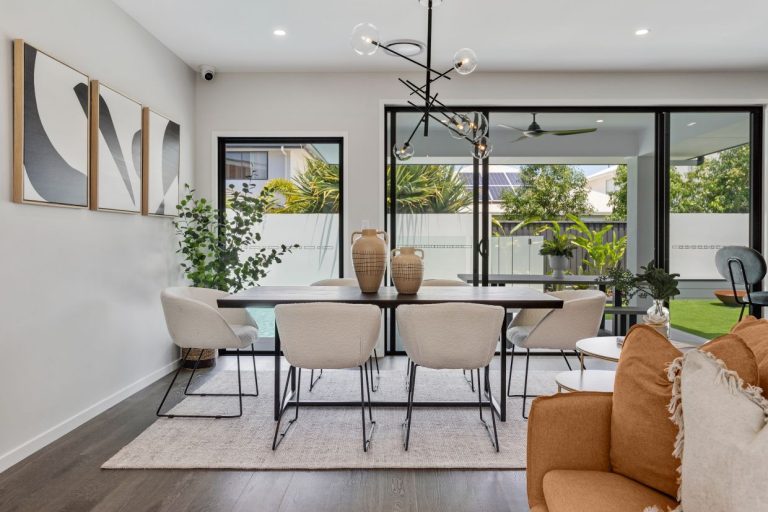
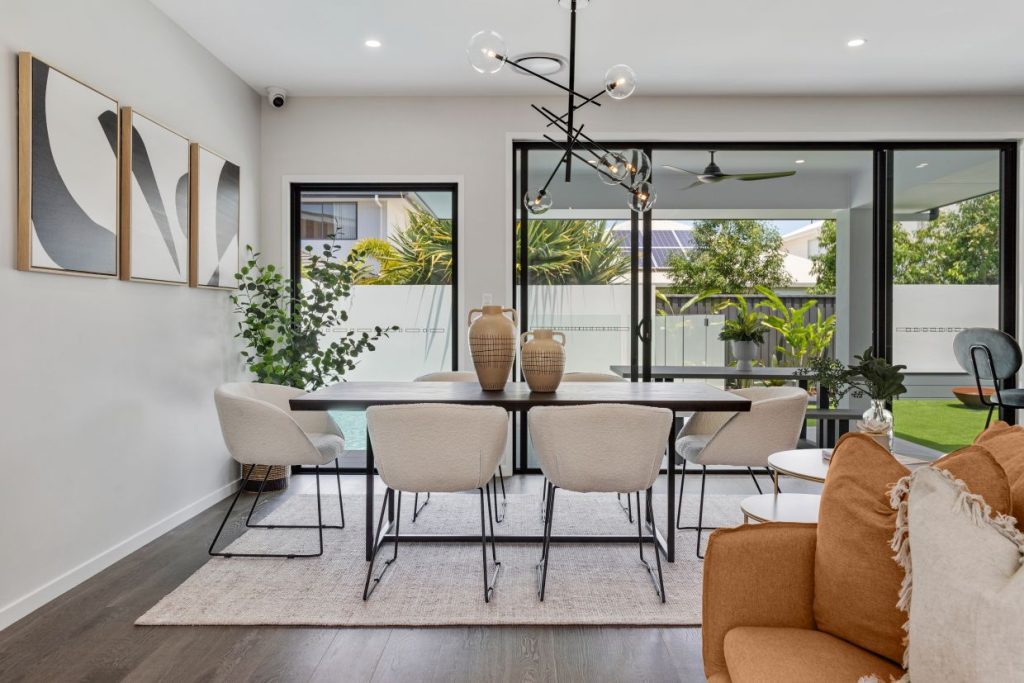
Choose a cohesive style. Whether it’s coastal, contemporary or classic, your property should feel intentional and put-together. Mixing random furniture from different eras and stores is one of the most common Airbnb styling mistakes that cost hosts bookings.
Invest in quality basics. A solid bed frame, a comfortable mattress, a proper dining setting and a decent sofa are non-negotiable. These are the pieces guests interact with every day, and cheap options wear out fast in a high-turnover environment.
Think like a guest, not a homeowner. You don’t need sentimental pieces or family heirlooms. You need durable, stylish furniture that photographs well and handles regular use. Airbnb furniture packages are designed exactly for this, giving you a complete, styled setup without the guesswork.
3. Stock Every Room with Guest Essentials
Once the furniture is in, it’s time to think about what goes on, in and around it. Guests expect hotel-level basics at a minimum.
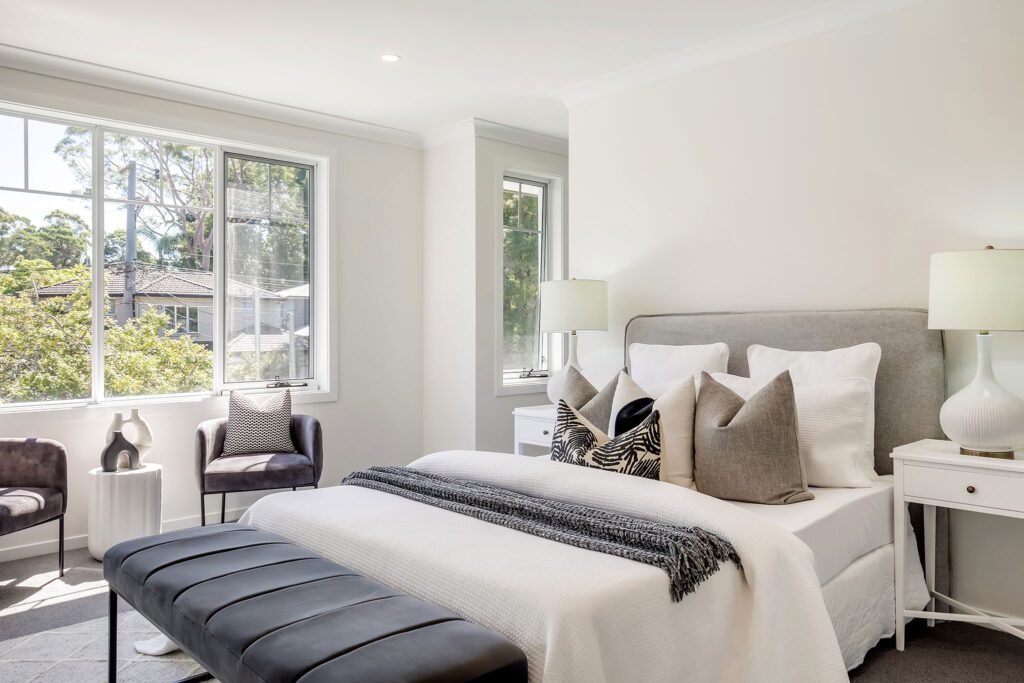
Bedroom: Quality linen (two sets per bed), pillows (two per guest, ideally different firmness levels), bedside lamps, block-out curtains or blinds, and a full-length mirror.
Bathroom: Fresh towels (at least two per guest), bath mat, shampoo, conditioner, body wash, hand soap, toilet paper with spares, a hairdryer, and a box of tissues.
Kitchen: Cookware, cutlery and crockery for the maximum number of guests plus a couple of extras. A coffee machine (pod-style is easiest), kettle, toaster, basic cooking supplies like salt, pepper and oil, tea towels, and dishwashing liquid.
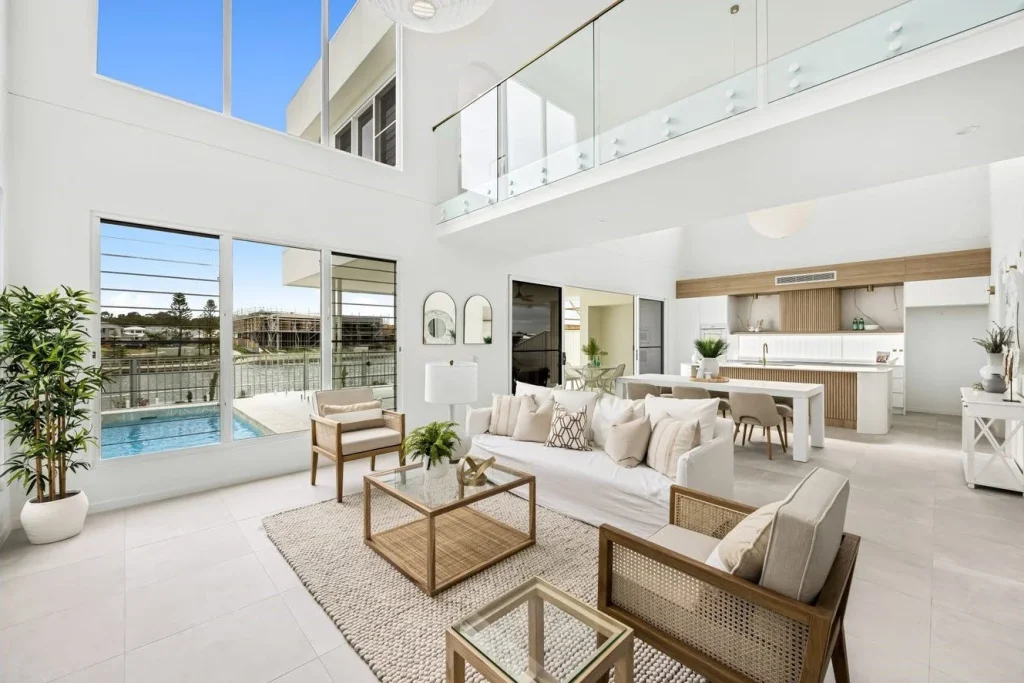
Living area: A smart TV with streaming access, reliable Wi-Fi, a comfortable couch, and good lighting.
For a detailed breakdown of what to include in every space, take a look at our room-by-room guide to Airbnb essentials.
4. Set Up Smart Access and Safety
Guests arriving at midnight after a long flight don’t want to coordinate a key handover. And safety isn’t optional.
Install a smart lock or key lockbox. Self check-in is one of the most appreciated features on Airbnb. It removes friction for both you and the guest. A coded lockbox near the front door is the simplest option, while a smart lock lets you generate unique codes for each booking.
Fit smoke detectors and a carbon monoxide alarm. These are legal requirements in most Australian states, and Airbnb flags listings that confirm them.
Add a first aid kit and fire extinguisher. Tuck them somewhere visible and mention their location in your house manual.
The look you want. The furniture you own.
5. Create a House Manual and Welcome Guide
A good house manual answers every question before it gets asked. It’s the single most underrated item on any Airbnb hosting checklist.
Include the practical stuff. Wi-Fi password, appliance instructions (especially for the coffee machine, washing machine and air conditioning), bin collection days, parking instructions and check-out procedures.
Add local recommendations. Nearby cafes, restaurants, supermarkets, beaches or parks. Guests love local tips, and it shows you’ve put thought into their stay.
Keep a printed and digital copy. Not everyone wants to scroll through their phone to figure out how the oven works.
6. Nail Your Listing Photos and Description
Your listing is your shopfront. If the photos don’t stop the scroll, nothing else matters.
Photograph after styling, not before. Wait until the property is fully furnished, styled and stocked. Natural light works best, and decluttered spaces photograph far better than busy ones.
Write a clear, honest description. Highlight what makes your property special. Mention the style, the location perks and any standout features. Avoid overselling; guests who arrive to something different from what they expected will leave a bad review.
Set competitive pricing to start. Look at comparable listings in your area and price slightly below for your first few bookings. Early reviews build momentum, and momentum builds bookings.
7. Build Your Turnover and Cleaning Process
Consistency between guests is what separates amateur hosts from professionals. Every check-out should trigger a reliable reset.
Hire a professional cleaner who understands short-term rental standards. Hotel-grade cleanliness is the expectation, not a bonus.
Create a turnover checklist. Fresh linen, restocked toiletries, a clean kitchen, wiped surfaces, and a final walk-through before the next guest arrives.
Restock essentials regularly. Running out of toilet paper or coffee pods mid-stay is an easy way to lose a fifth star.
Why Most First-Time Hosts Get Stuck on Furnishing
Here’s what we see again and again: hosts spend weeks researching regulations, setting up their listing and choosing a cleaning service, only to stall completely when it comes to furnishing the property. Picking furniture, coordinating deliveries, styling rooms and making it all look cohesive is genuinely overwhelming.
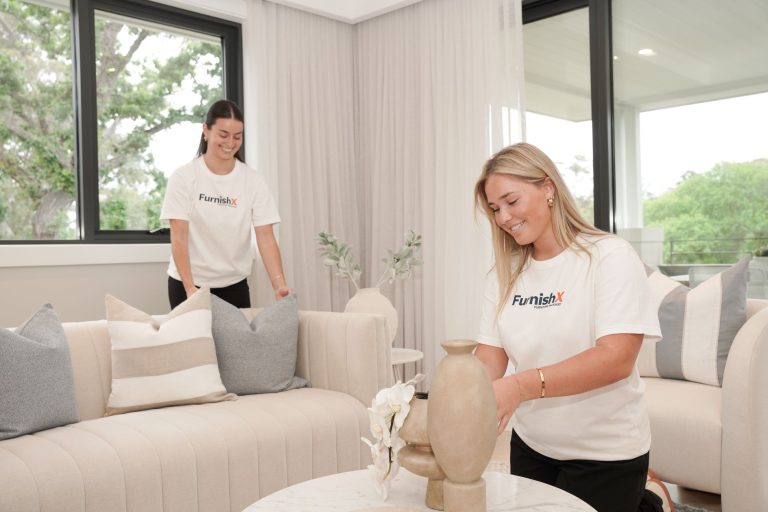
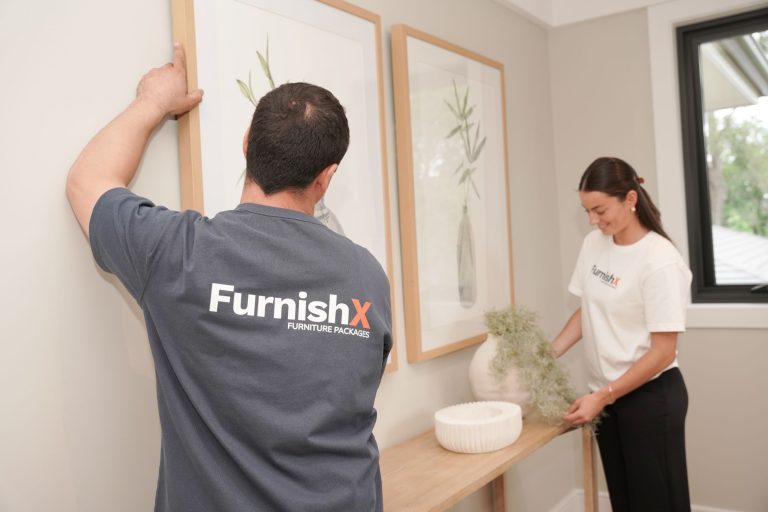
That’s exactly why done-for-you interior design exists. At FurnishX, we handle the entire furnishing process, from consultation and mood boards through to delivery and one-day installation. You get a fully styled, guest-ready property without the stress of sourcing everything yourself. See how FurnishX works.
Whether you’re setting up one Airbnb property or building a portfolio of short-term rentals, having the furniture sorted professionally means you can focus on what actually makes money: getting guests through the door.
Let’s Get Started
Ready to go from empty property to five-star Airbnb? FurnishX takes the guesswork out of furnishing and styling, so your listing is guest-ready from day one.
Call us on 1300 073 674 or get in touch here to book your free consultation.
Frequently Asked Questions
What do I need to start hosting on Airbnb in Australia?
You’ll need to check your local council’s short-term rental regulations, arrange appropriate insurance, furnish and style the property, stock it with guest essentials, set up self check-in, and create a compelling listing with quality photos.
How much does it cost to set up an Airbnb property?
Costs vary depending on the size of the property and the standard of furnishing. A basic setup for a one-bedroom apartment starts from $19,990, while a fully styled multi-bedroom home could be significantly more.
Furniture packages help manage costs by bundling everything into a single, transparent price.
What furniture do Airbnb guests expect?
At a minimum, guests expect a comfortable bed with quality linen, a couch, a dining setting, and a well-equipped kitchen. Beyond the basics, thoughtful styling, good lighting and a cohesive look are what drive higher ratings and more bookings.
Can I furnish my Airbnb without buying everything separately?
Yes. Furniture packages give you a complete, professionally styled setup in one go. FurnishX offers packages tailored specifically for Airbnb properties, with consultation, styling and same-day installation included.
Do I need a property manager to run an Airbnb?
Not necessarily. Many hosts self-manage successfully, especially with a single property. However, if you’re time-poor or managing multiple listings, a property manager or co-host can handle guest communication, cleaning coordination and pricing optimisation on your behalf.